
If you’ve ever lost yourself in the chest-rattling bass thrums from a stack of speakers, or racked up plays on a headphone-ready remix, you have the pioneers of Jamaican dub and sound systems to thank.
Producers like King Tubby and Lee “Scratch” Perry were the first to slice and dice tracks as far back as the ‘60s, while the first sound systems hit the streets of Kingston starting in the ‘40s.
Since then, dub has gone on to touch almost every corner of the musical world, from planting the seed for hip-hop in New York, to shaping the trajectory of jungle and drum and bass in the UK.
Nowadays, you’ll find its experimental ethos alive and well in a growing sphere of Montreal-based sound system builders and bass music producers, not least of whom include Jordan Gardner and Honeydrip.
Ahead of their appearances at MUTEK Festival and Forum, we caught up with them to talk about why dub’s countercultural practices hold strong to this day, and what it means to gather around a sound system in 2026.
“You can’t run a sound system alone”
The first sound systems emerged out of necessity. Access to live music was scant for Jamaica’s urban population in the years following World War II, and so it was up to local crews to pile DIY speakers onto their trucks and form the country’s first mobile outdoor dance parties, aka sound systems.
For Montreal producer, DJ, and “sound system mom” Honeydrip, a deep connection to sound system culture was forged back in 2024 when her subwoofers unexpectedly broke.
“I ended up realizing that I hadn’t been super intentional about how much I wanted and needed community,” she says.
She put a call out to her peers in the community, and the MORPH Sound System collective was born. Now nine members strong, the team empowers women and queer individuals in electronic music and sound system culture through hands-on speaker-building workshops, technical mentorship, and inclusive community events.
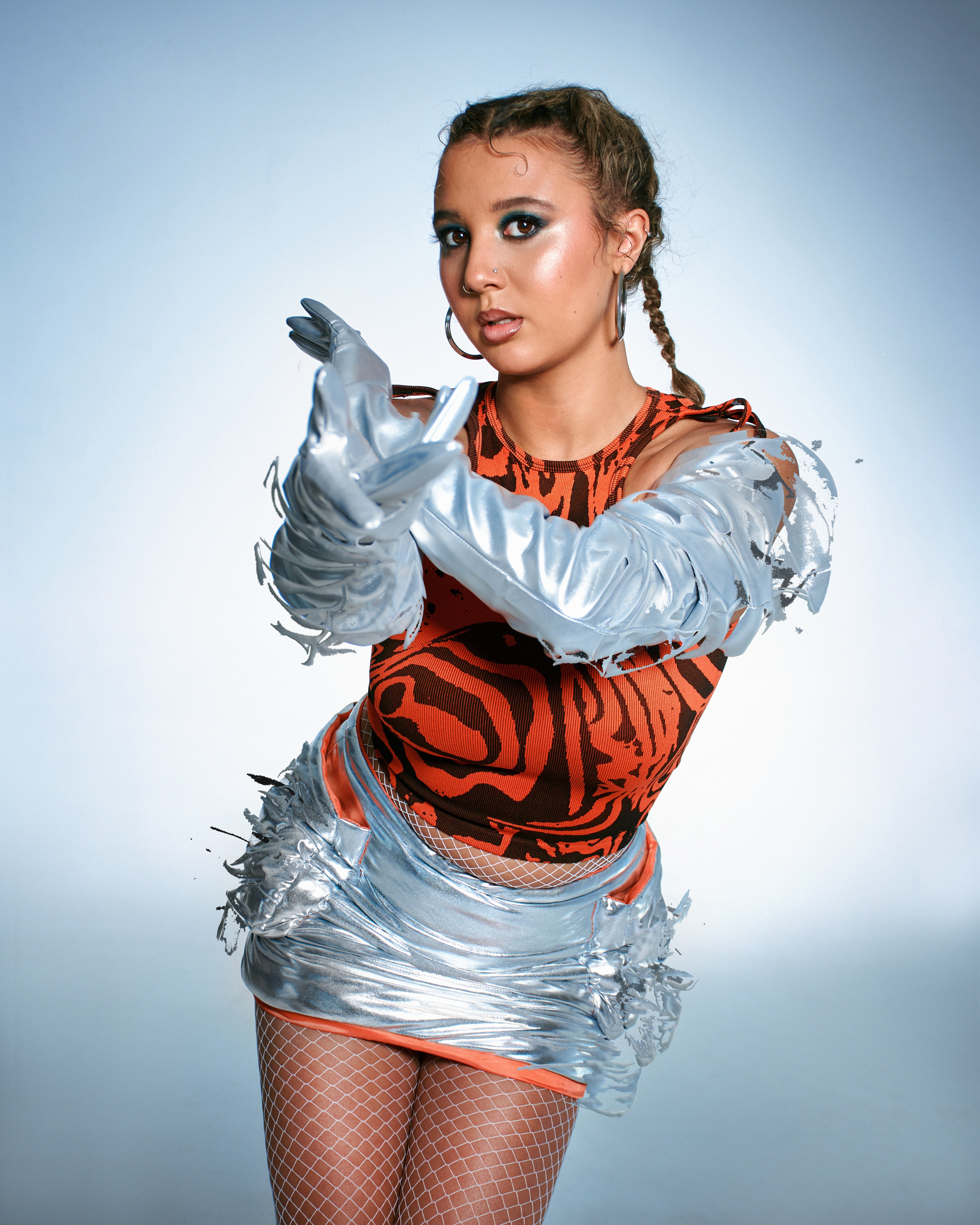
This year, Honeydrip is spearheading the Sound System Lab at MUTEK Forum, bringing in Oakland-based sound system builder Fait Poms for a look into the pandemic’s role in birthing a new wave of queer DIY sound systems, and a hybrid performance talk from the Afrosonic Innovation Lab tracing the diasporic histories and routes of sound system culture in Canada, to name just a few of the events.
True to dub’s roots, collectivity remains a central pillar of Honeydrip’s mandate when it comes to supporting the culture.
“Community is in the spirit of dub and sound system culture,” she says.
“You can’t run a sound system alone, and dub is all about solidarity.”
“It all checks out”: Dub has a history of quietly shaping generations
Jordan Gardner has been exposed to sound system culture his whole life.
Originally from Brampton and now based in Montréal, the producer, DJ, and one half of JUNO Award-winning duo ÈBONY’s years were marked with reggae tracks blasting at family functions and uncles on both sides hand-delivering the latest dancehall and UK Funky gems.
“I actually have a copy of Dancehall Queen on VHS,” he recalls.
Given the early immersion, it’s no surprise that today, his musical practice extends all the way back to dub’s original architects.
“One philosophy I draw from is King Tubby’s practice of using your mixer, in my case Ableton, as an instrument,” he says.
“This emphasis on mixing and gainstaging makes such a big difference. One element in your track being marginally louder than another can change the whole feeling of what you’re making.”
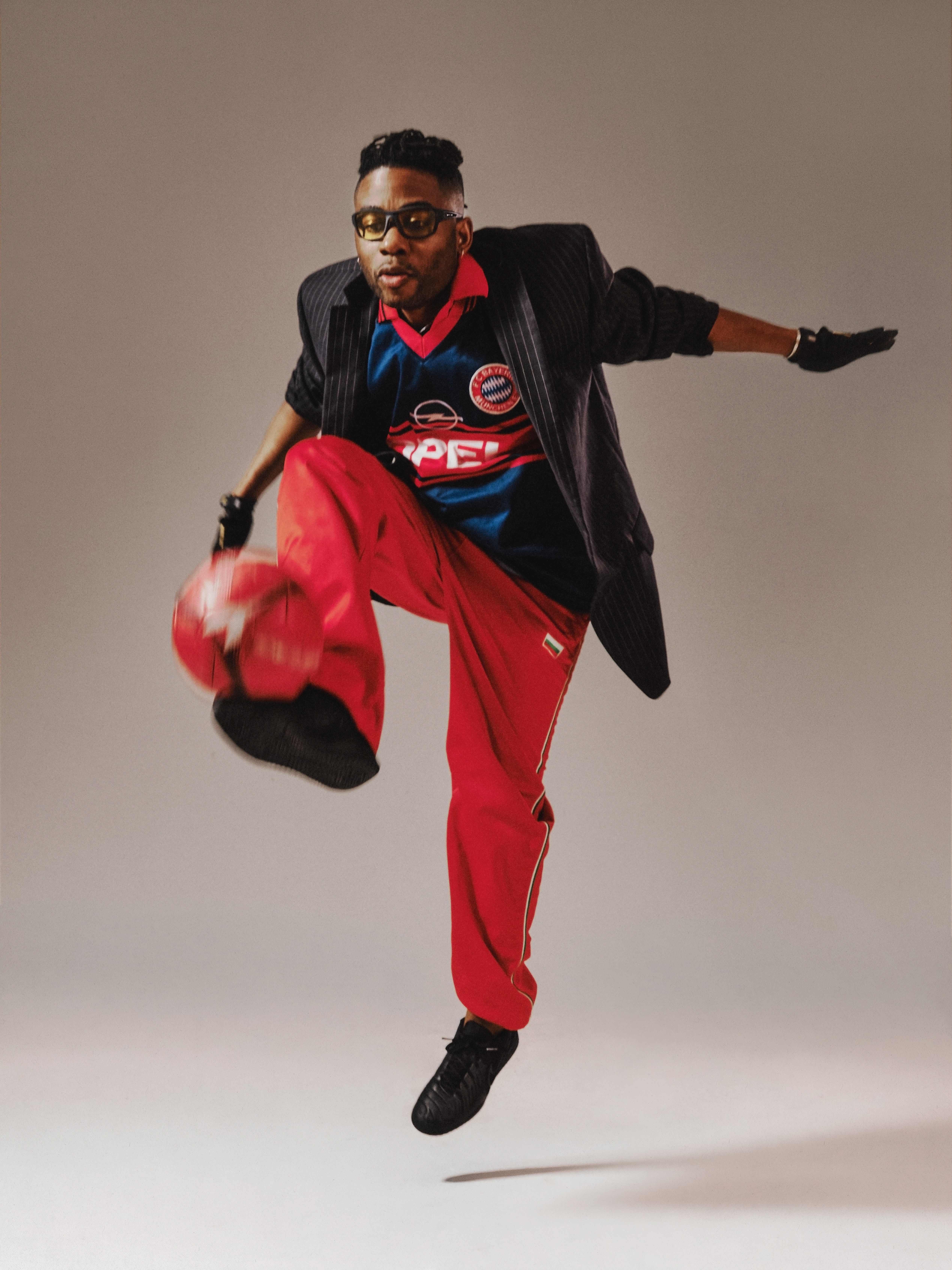
This year, he takes his dub-rooted sonic practice to a new level, premiering Iridescent Riddims at MUTEK Festival. Inspired by a chance encounter in 2024 with his distant uncle Fadda Benjie, who runs a championship-winning sound system in the UK, the project features tracks crafted using dubplates and samples from his uncle’s library, alongside reworks from Gardner's own archive.
In addition to reigniting an exploration of his Jamaican and British heritage, the encounter brought into focus the thread that has been shaping Gardner’s dub-laced musical narratives from the start.
“When I think of the throughline between my uncle exposing my siblings and I to Jamaican music with a UK twist, then it all checks out.”
The embodied experience of sound: What does dub have to do with it?
Despite its name, hearing isn’t the only entry point into sound systems. Dub has always sought to recontextualize our engagement with sound and space, whether through bass pressure you can feel down to your feet or frequencies that swim through the air around you.
As of late, Honeydrip has turned her focus toward that embodied experience.
“When I produce now, I try to think about what people will feel, not just what they'll hear,” she says. “I also think about what I would like to feel if I were in front of a sound system.”
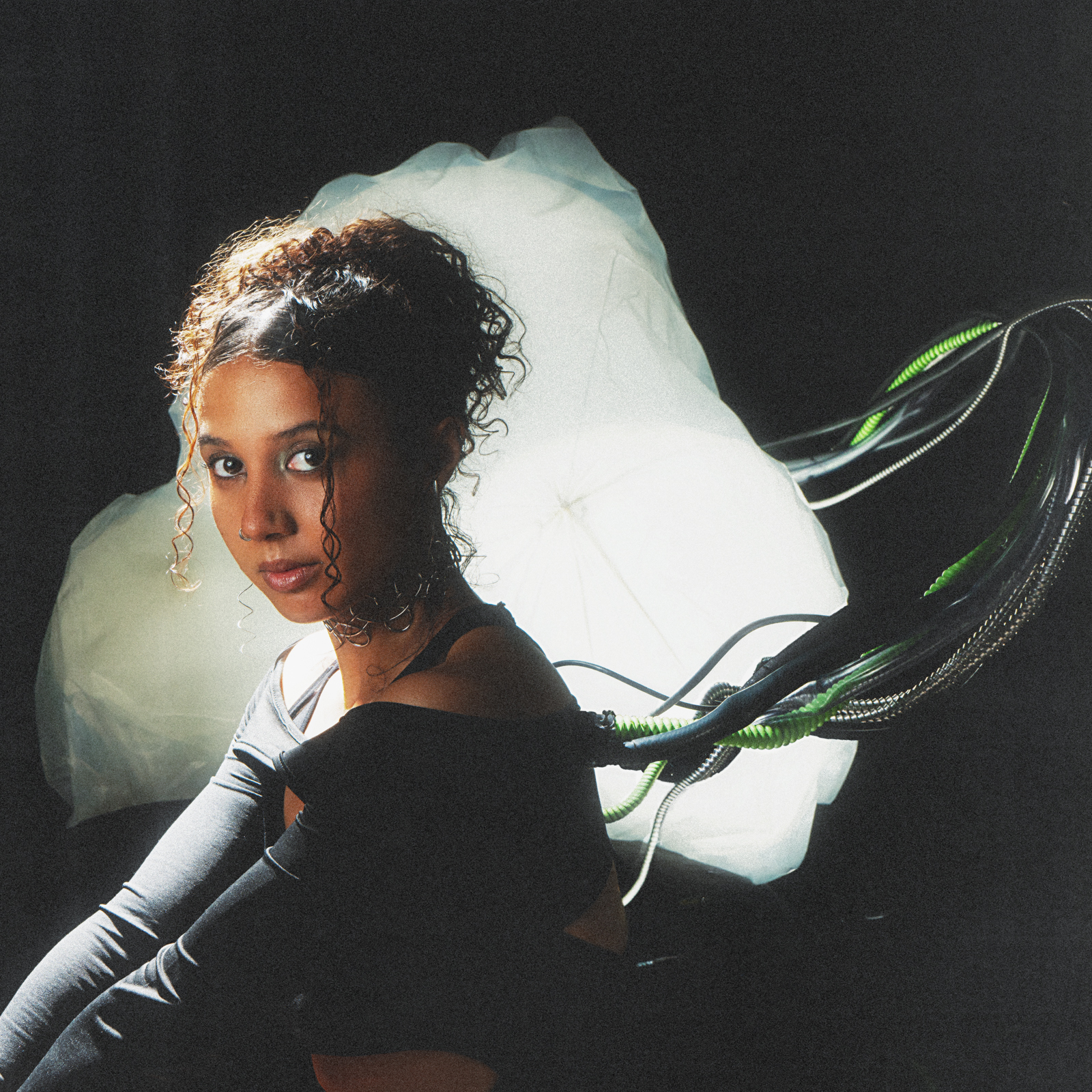
Alongside her showcase at MUTEK Forum, she’ll also premiere v i b r a t i o n at this year’s MUTEK Festival. Developed in collaboration with Yasmeen Hitti and Salim Lounis as part of a residency with Moment Factory, the audiovisual performance connects her to a set of digital “limbs,” effectively transforming her body into a sound installation influenced by physical gesture.
It’s an experiment she can trace directly back to dub’s impact.
“Dub is so deeply rooted in experimentation that it gives me the freedom to be as weird as I want,” she says. “It's also a genre that's incredibly suited to live performance, with its constant subtraction and addition of sounds, and the way it lets space, reverb, and echo exist in the forefront.”
In a similar vein, Gardner’s performance opens further pathways to physically engaging with sound. Iridescent Riddims is built around frequencies that “contextually change direction,” depending on proximity or angle relative to the sound system.
For him, what’s felt carries just as much weight as what’s heard.
“For me there’s nothing like a heavy bassline,” he says. “Especially around 20 Hz to 60 Hz when you can really feel the sub rumbling in your chest.”
“You get the sauce from the source”: Dub in the digital age
Gardner’s long-running connections to dub have essentially reconfigured how he chooses to move through the musical world.
“I used to have a very hip-hop mentality to sampling,” he says “but having seen how my uncle worked heavily with MCs in Jamaica since the ‘80s, I can see the benefits of collaborating with MCs abroad, in how he built networks between the UK and Jamaica.”
In an age of digital audio workstations and producer-ready sample packs, there’s something to be said for that.
“The Reggae MC sample pack reliance feels like getting Jerk Chicken at Subway instead of going to a Jamaican restaurant.” Gardner says, pointing to producers who want Jamaican-sounding dubplates on their tracks, but are rarely willing to pay a real MC for it.
“It feels colonial similar to how Sister Nancy wasn’t paid royalties for over 30 years for her track ‘Bam Bam.’”
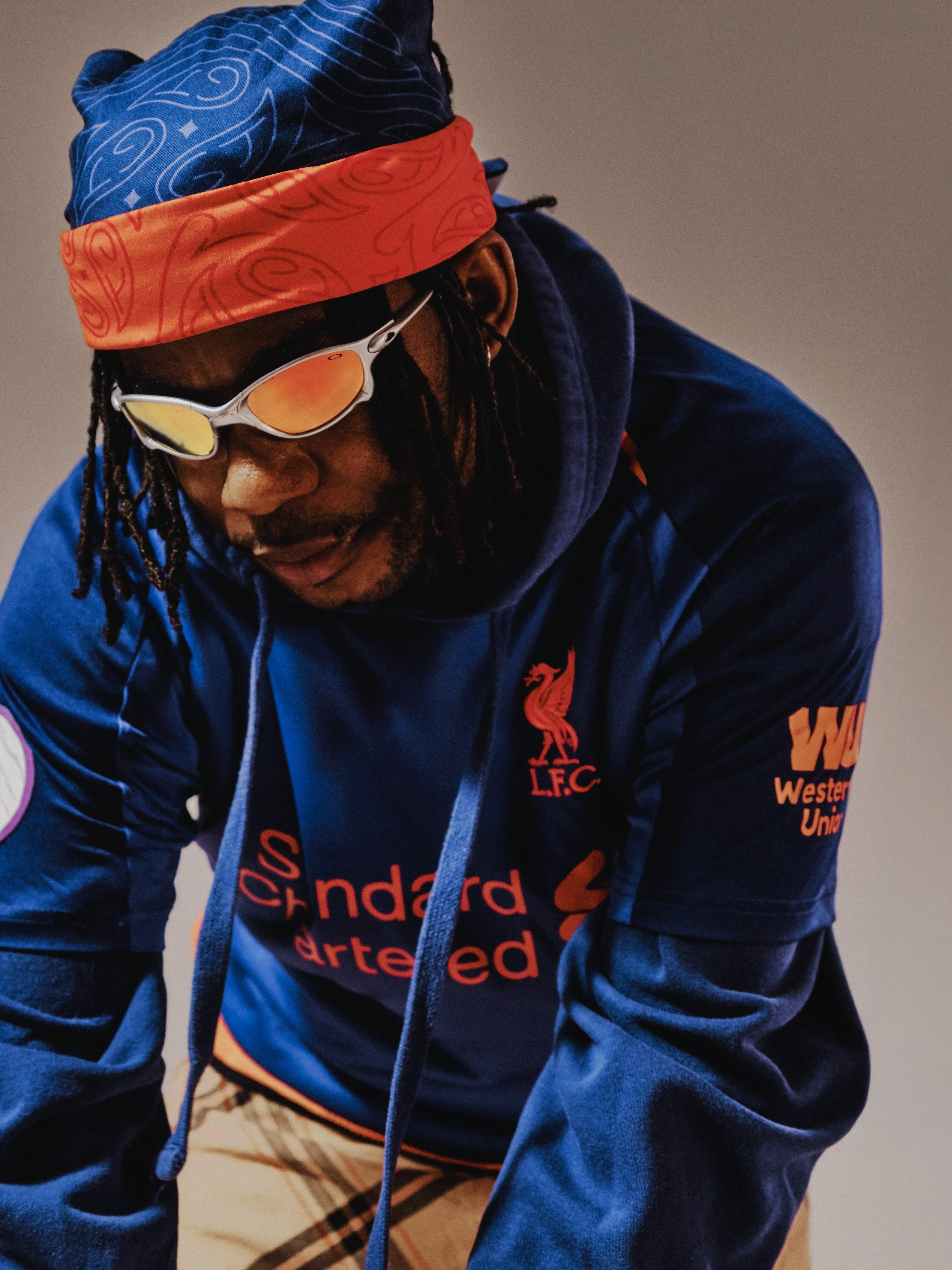
Suffice to say a cultural overhaul may be in order, and Gardner is ready to lead that charge.
“We need to shift out of this sample pack psyop and normalize working with real MCs. That’s how you entrench your music in a real community.” he says.
Dub’s influence at home in Montreal and abroad is profound, and far too expansive to wrap up neatly in one article. In any case, the best way to experience any genre or culture has always been to go out and engage with it directly.
As Gardner puts it: “You get the sauce from the source.”
__
Jordan Gardner performs Iridescent Riddims at MUTEK Festival on August 30.
Honeydrip performs v i b r a t i o n at MUTEK Festival on August 28. The Sound System Lab is on at MUTEK Forum from August 26-28.
MUTEK Argentina: Myriam Bleau, Dana Ruh, NVST, and Satoshi Tomiie Land in Buenos Aires

Florence-Delphine Roux Takes Her Search For Hidden Sounds Across Montréal

MUTEK 2026 Report: An ecosystem that amplifies digital creativity in Montréal and around the world

MUTEK Montréal Edition 28: Sensitive Waves


